person

Decision System Modernization (Foundation for AI-Assisted Workflows) — AT&T

Transformed fragmented reporting into a scalable decision-system foundation—enabling faster, role-aware decision-making and preparing enterprise workflows for AI-assisted insights at scale.

Mandate: Transform fragmented BI dashboards into a scalable decision system foundation—enabling faster, role-aware decision-making today and preparing workflows for AI-assisted insights.

Scope: Decision architecture across KPI hierarchy, filtering logic, role-based views, trust cues, and interaction patterns—standardized to scale across teams.

Role: Principal / Lead UX (Decision Systems) — defined experience standards, aligned cross-functional teams, and delivered reusable patterns to reduce cognitive load and speed decisions.

Leadership Footprint:

  • Operating model: shifted teams from “dashboard requests” to outcome validation and reusable standards.
  • Hard decisions: set governance gates for metric definitions, quality, and trust indicators before expanding adoption.
  • Scale: created reusable interaction + visualization patterns to avoid fragmentation across teams.
  • Decision Velocity: Faster insight-to-action by structuring how signals convert to decisions (internal).
  • Adoption: Increased adoption through role-specific workflows and clearer KPI hierarchy (internal).
  • Operational Efficiency: Reduced redundant analysis cycles and manual interpretation (internal).
  • Trust: Increased confidence by making metric definitions and sources visible at point-of-use (internal).
  • Embedded into enterprise workflows: standardized decision paths so users reach the right KPI faster (foundation for copilots/contextual assistants).
  • Reusable patterns & constraints: created repeatable interaction + visualization primitives to prevent fragmentation across teams.
  • Trust & explainability cues: made definitions, sources, and calculation logic visible at point-of-use to reduce “black box” interpretation.
  • Enterprise governance primitives: designed for audit trails, access controls, and policy constraints to be enforced consistently across teams.
  • Human control: governance gates and review/confirm points for high-impact decisions; low-risk suggestions remain assistive.
  • Cross-org influence: aligned Product, Data, and Engineering on shared standards and adoption gates—how cross-product AI UX patterns scale.

This aligns to Rocket’s AI UX mandate: cross-product patterns, trust/clarity, and governance-by-design for enterprise-grade workflows.

Duration: February 2020 – July 2024
Tools: Tableau, Power BI, Figma, JIRA, UserTesting
Team: PMs, Data Engineers, UX/UI, QA (12 total)

Dashboards aren’t the end state—they’re the training ground for AI. If decision logic, trust signals, and user intent aren’t structured clearly, AI will only amplify confusion. Strong decision systems are what make intelligent automation usable, trustworthy, and scalable.


AI copilots only work when decision logic is structured. This program established the decision architecture—KPI clarity, role-based workflows, and trust/explainability cues—required to safely layer AI recommendations and automation later.


  • Reframed BI as a decision system layer: positioned dashboards as decision architecture supporting human + future AI collaboration.
  • Defined reusable decision primitives: standardized KPI hierarchy, filtering logic, and trust cues as scalable building blocks.
  • Shifted from visualization to decision enablement: optimized cognitive load and actionability—not just reporting.
  • Team leadership: led a 12-person cross-functional team; ran weekly alignment to keep design, engineering, and business outcomes synchronized.
  • Stakeholder engagement: iterated directly with business leaders to validate KPI needs and reduce noise in executive views.
  • Engineering partnership: partnered with data engineers to improve performance constraints and ensure scalable interaction patterns.
SIGNAL INSIGHT DECISION ACTION (+ KPI hierarchy • role views • trust cues)

This structured decision flow is intentionally extensible to AI-driven recommendations and automated actions (with human control and governance).

  • User-centered research: conducted 30+ interviews to identify friction, missing signals, and role-specific needs.
  • Prototyping & testing: used Figma prototypes and validation cycles (including A/B comparisons) to converge on the highest-clarity interactions.
  • Personalization: implemented role-based customization so each stakeholder sees the right level of detail.
  • Performance & scalability: partnered with data engineering to keep interactions responsive on large datasets.

Trust & Explainability (Designed In)

  • Made KPI definitions, data sources, and calculation logic visible at the point of use.
  • Reduced “black box” interpretation by exposing how metrics are derived and when they should be trusted.
  • Added decision-quality cues (freshness, completeness, anomalies, ownership) so users know what’s reliable.
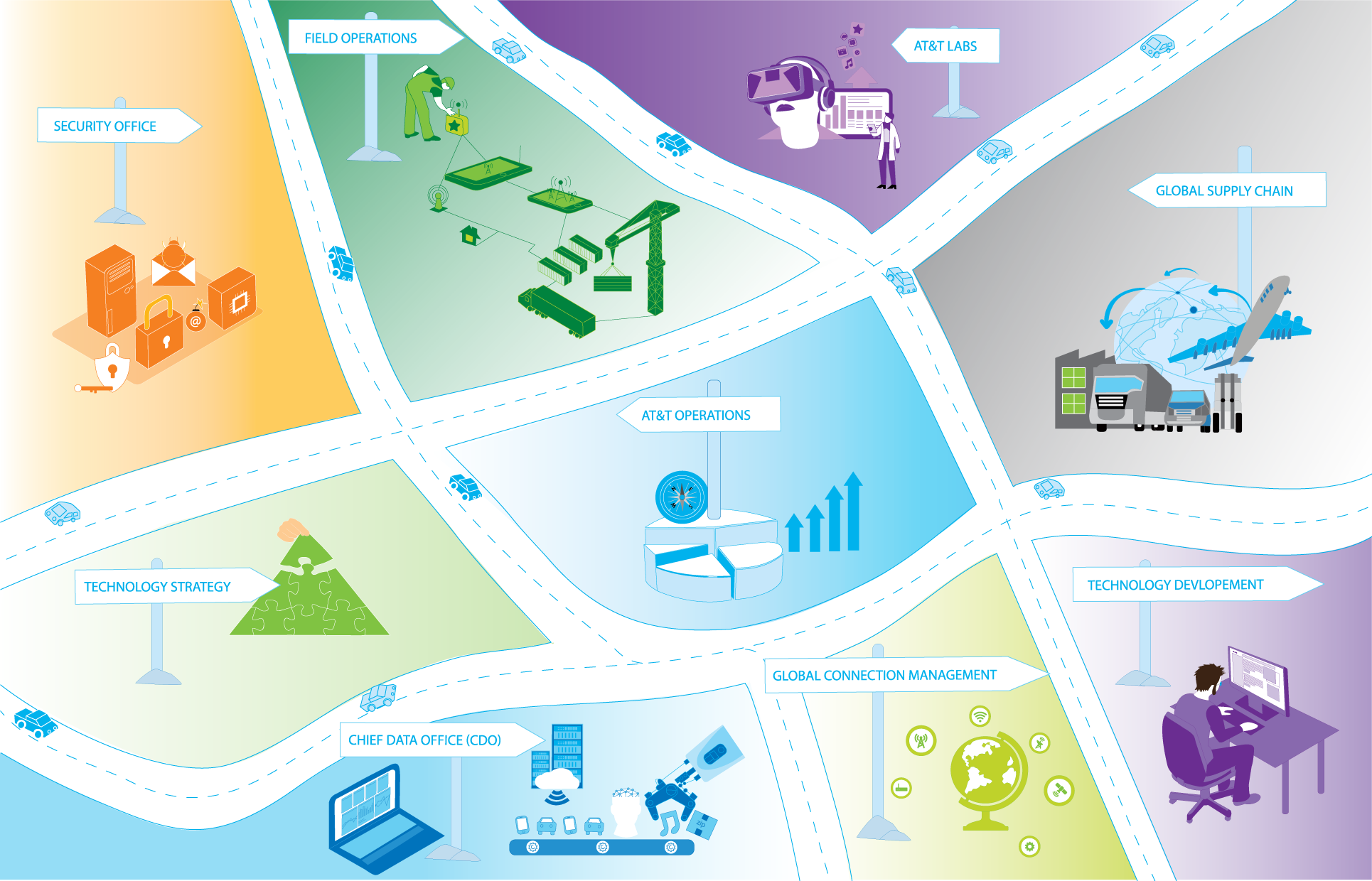
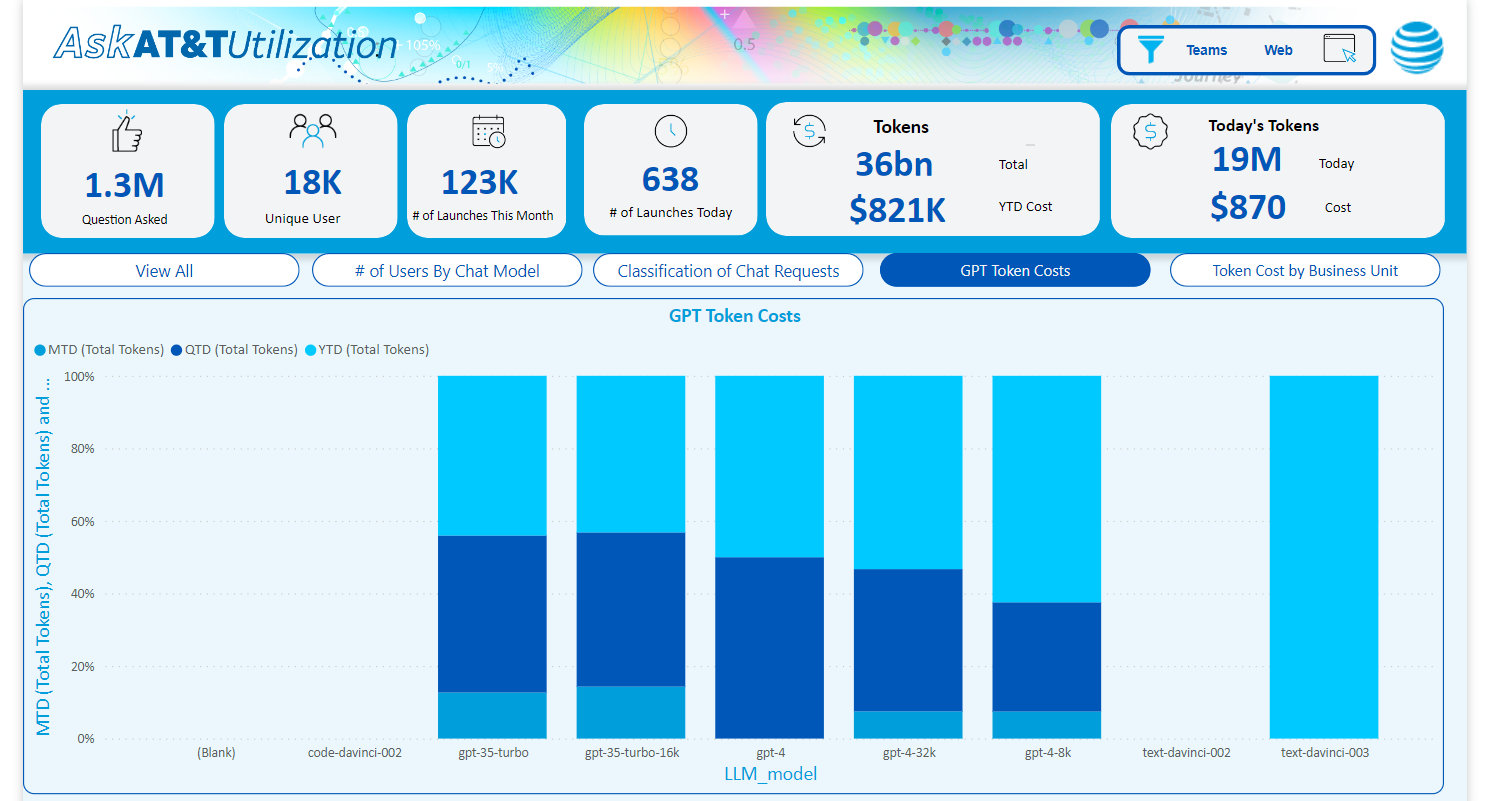
AT&T Communication Project

AT&T Communication Project

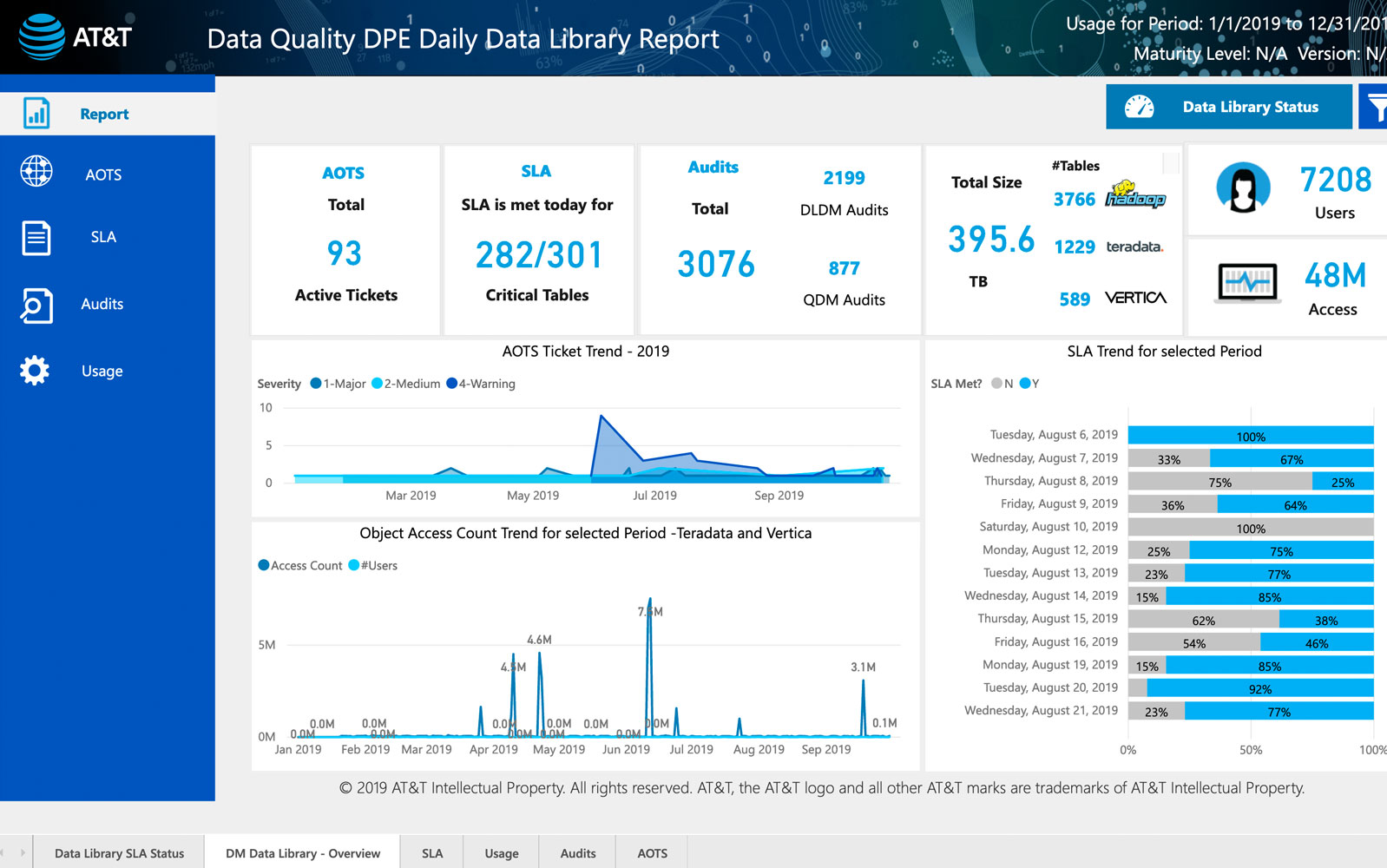
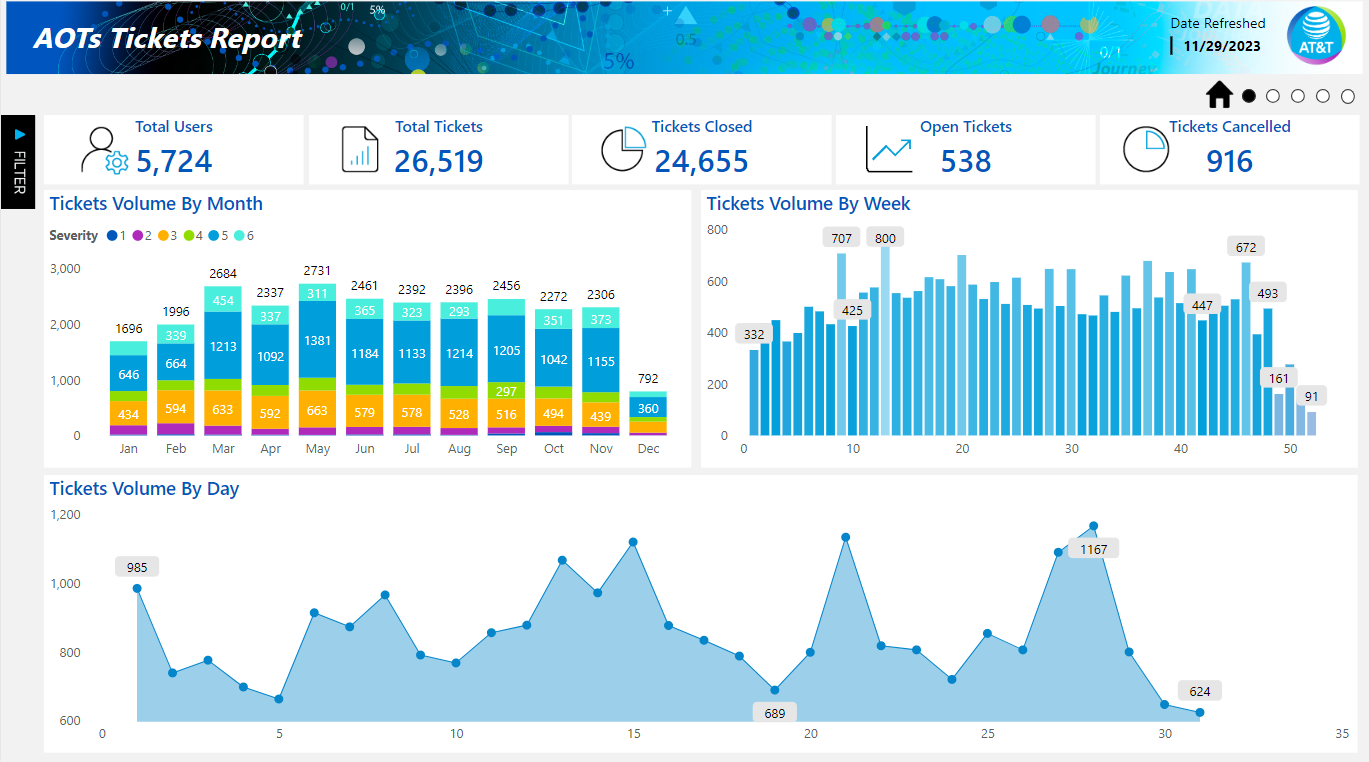
End to End Data Quality

End to End Data Quality


How leadership shows up: decision velocity, operational efficiency, and trust—measured and governed as a system (internal).

  • Decision Velocity: Reduced time-to-decision by 40% by structuring how signals convert into actionable insights
  • Adoption & Utilization: Increased adoption by 50% by aligning decision surfaces to role-specific workflows
  • Operational Efficiency: ~$1.5M savings by reducing manual interpretation and redundant analysis cycles
  • Trust & Quality: Improved data confidence by making definitions + sources + validation visible
team member

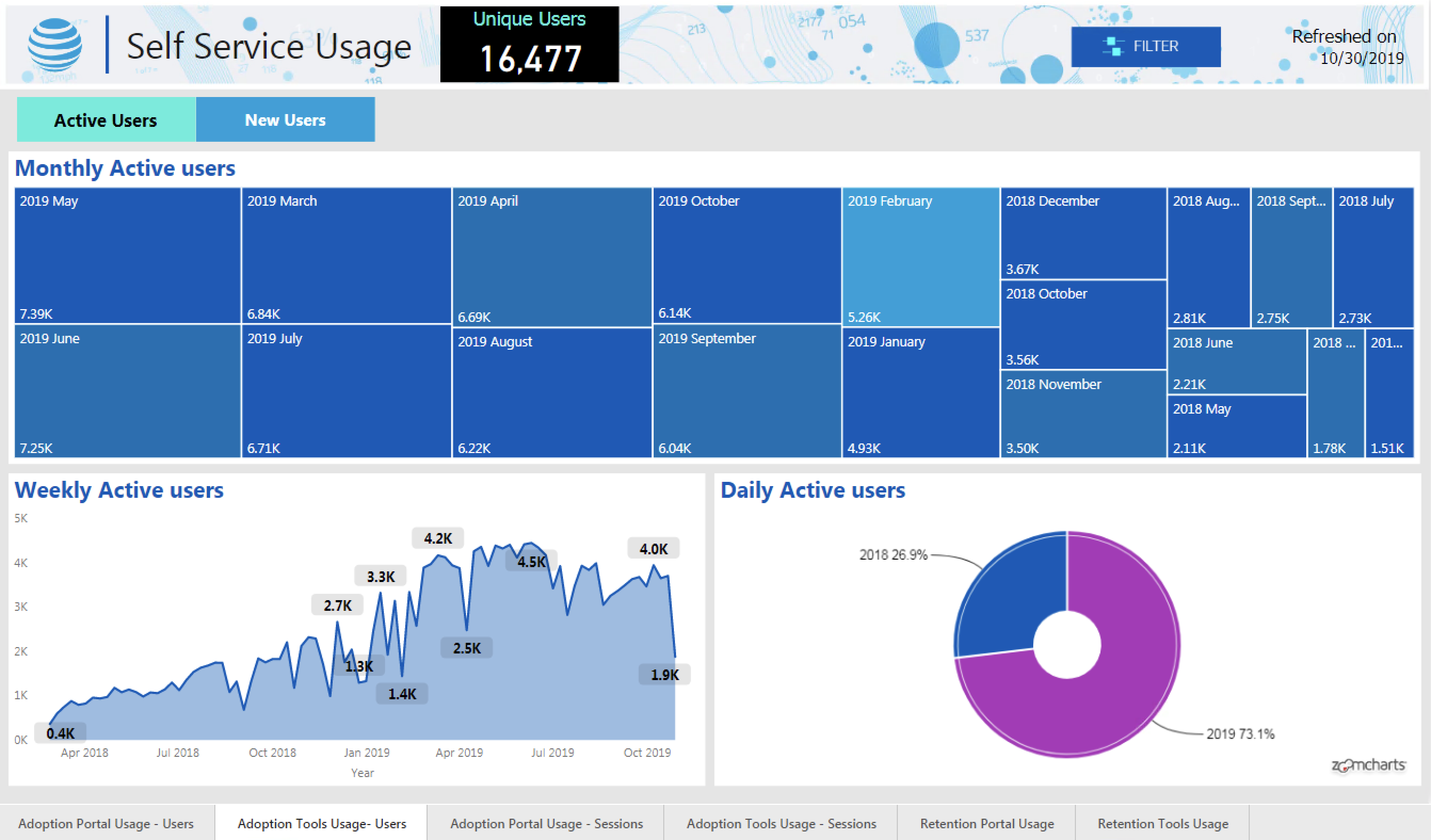
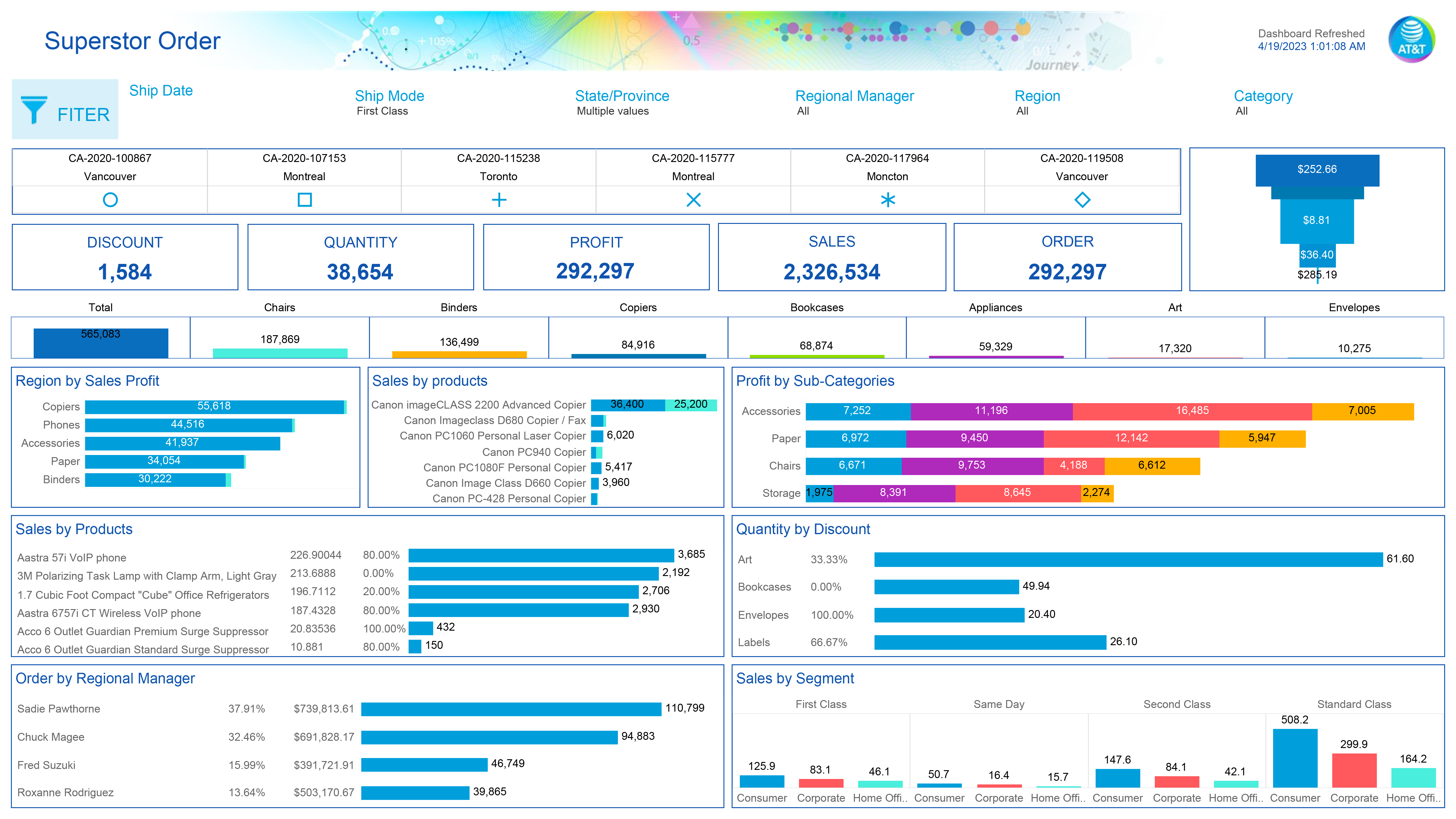
Self Service Usage

team member

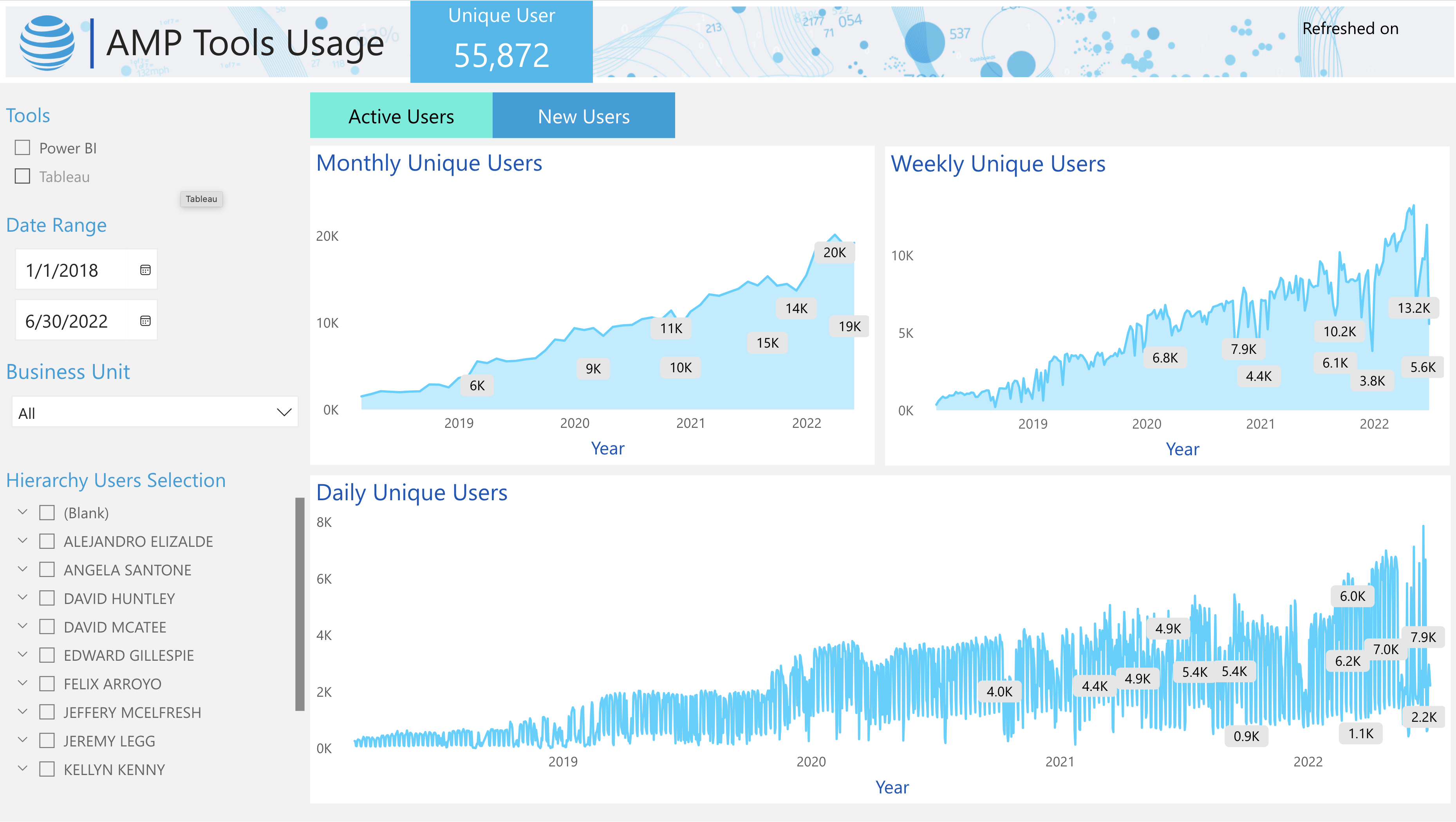
AMP Tools Usage

Dashboards aren’t the end state—they’re the training ground for AI. If decision logic, trust signals, and user intent aren’t structured clearly, AI will only amplify confusion. Strong decision systems are what make intelligent automation usable, trustworthy, and scalable.

Case Studies

Case Studies

image
Enterprise BI Dashboard Modernization

DIRECTV

(Decision Support)

Case Study
image
Decision System Modernization

AT&T

(Foundation for AI-Assisted Workflows)

Case Study
image
End to End

AT&T's Data Quality

Dashboard Redesign

Case Study
image
AI Interaction Architecture for Enterprise Decision Workflows

Ask AT&T

Decision Intelligence Layer

Case Study
image
Enterprise Case Studiespace Standardization

Northrop Grumman

(SharePoint Under Constraint)

Case Study
image
Responsive Prototype Factory

SADA Systems

(Bootstrap + UI Components)

Case Study
image
Creative Direction

GuideStudio

(Brand + Web + Print)

Case Study

get in touch

Contact Me

Let"s Jump In!